
Sourcing & Testing
From Thailand.
To your teacup.
Explore where our botanicals come from, how they are prepared and the quality checks behind them.
01 / Northeast Thailand
The plant
comes first.
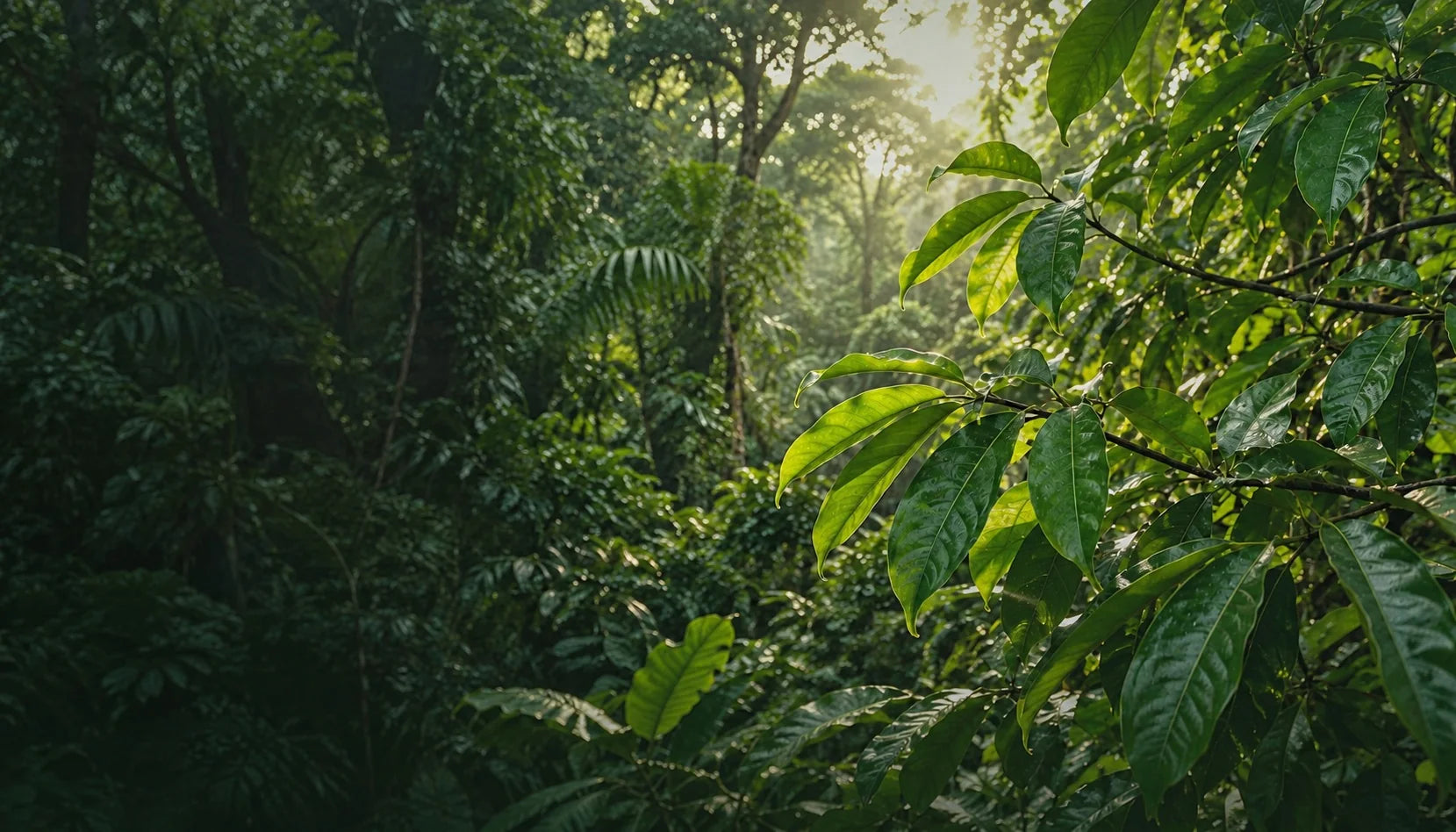
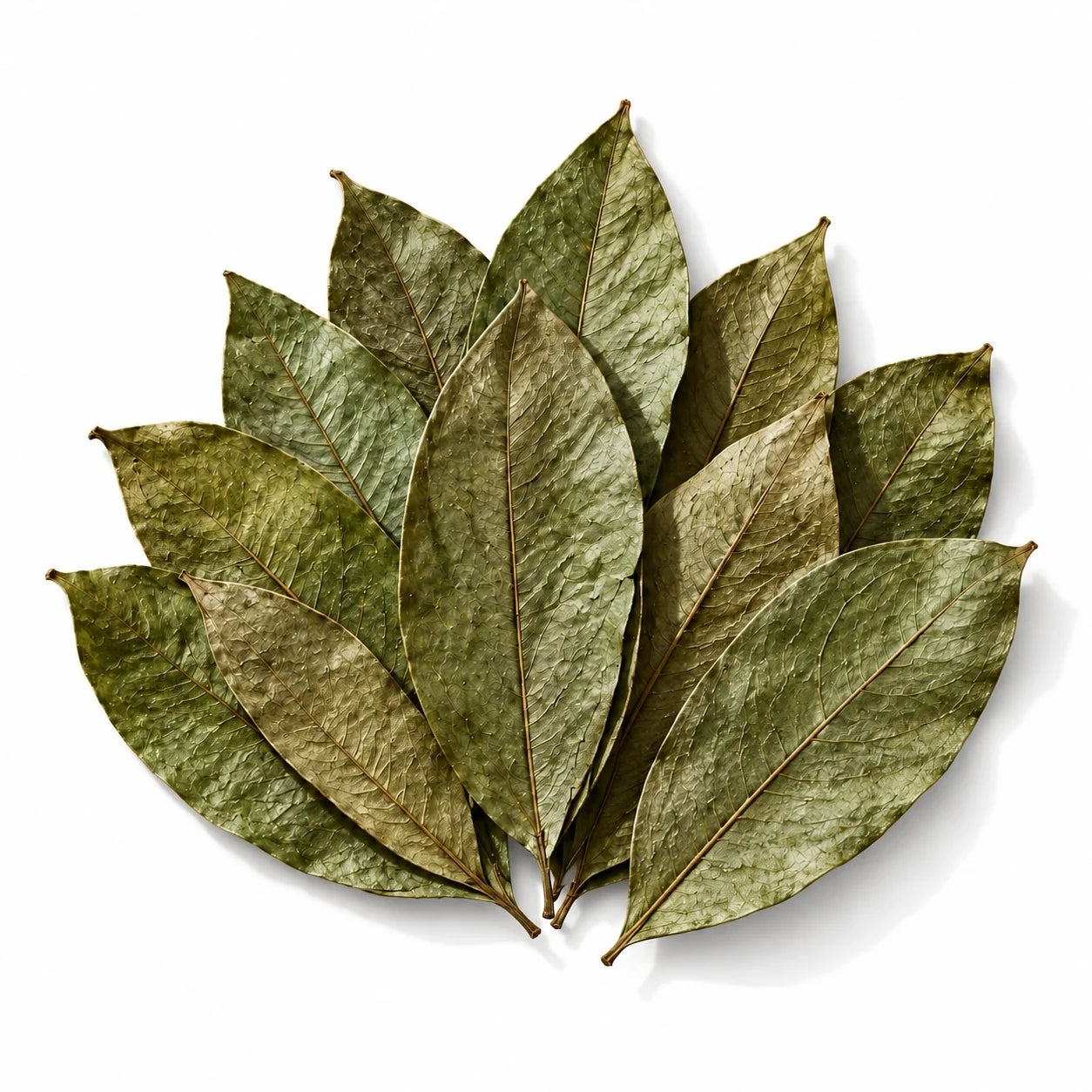
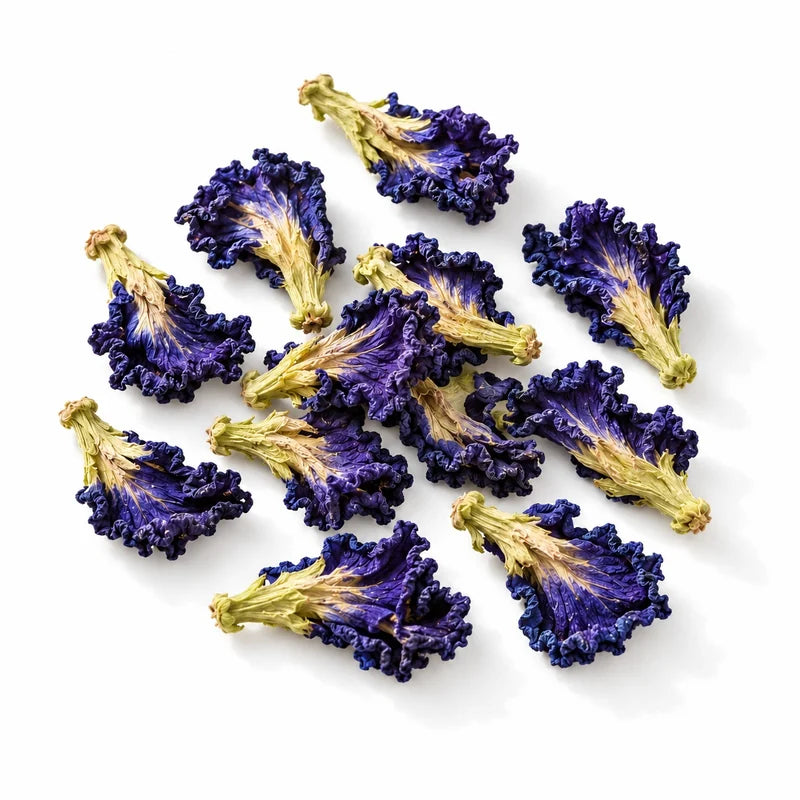
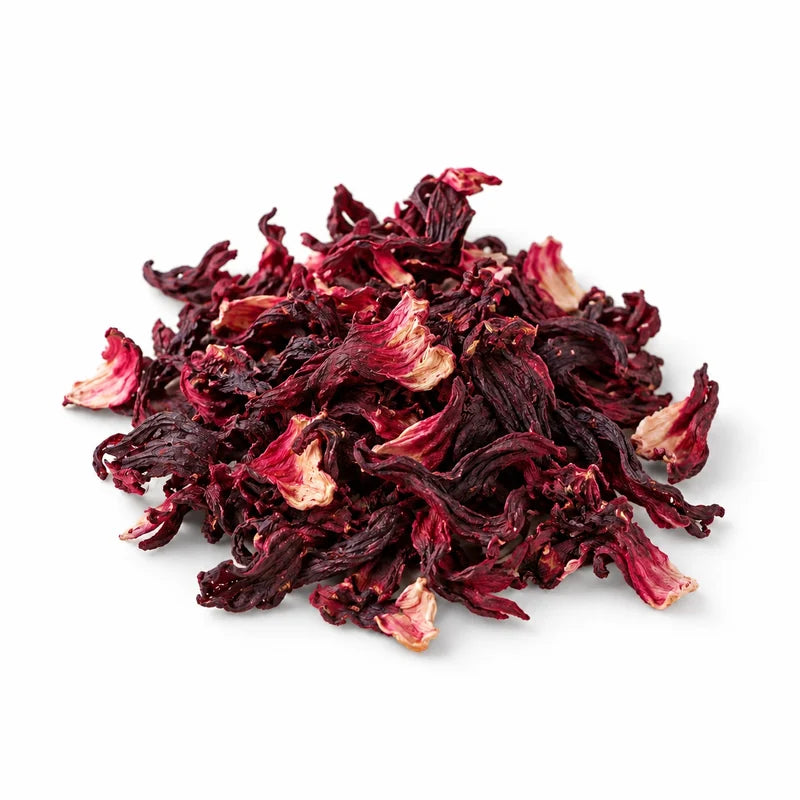
Our botanical teas begin with soursop leaves, butterfly pea flowers and hibiscus (roselle) from Northeast Thailand.
Hibiscus tea uses the plant's red calyces, the outer parts of its flowers. Botanical names: soursop (Annona muricata), butterfly pea (Clitoria ternatea) and hibiscus (Hibiscus sabdariffa).
02 / Preparation
Two ways
to brew.
Soursop Whole Leaves are shade-dried and kept whole. For Tea Bags, dried soursop leaf is cut and portioned into individual brewing sachets.
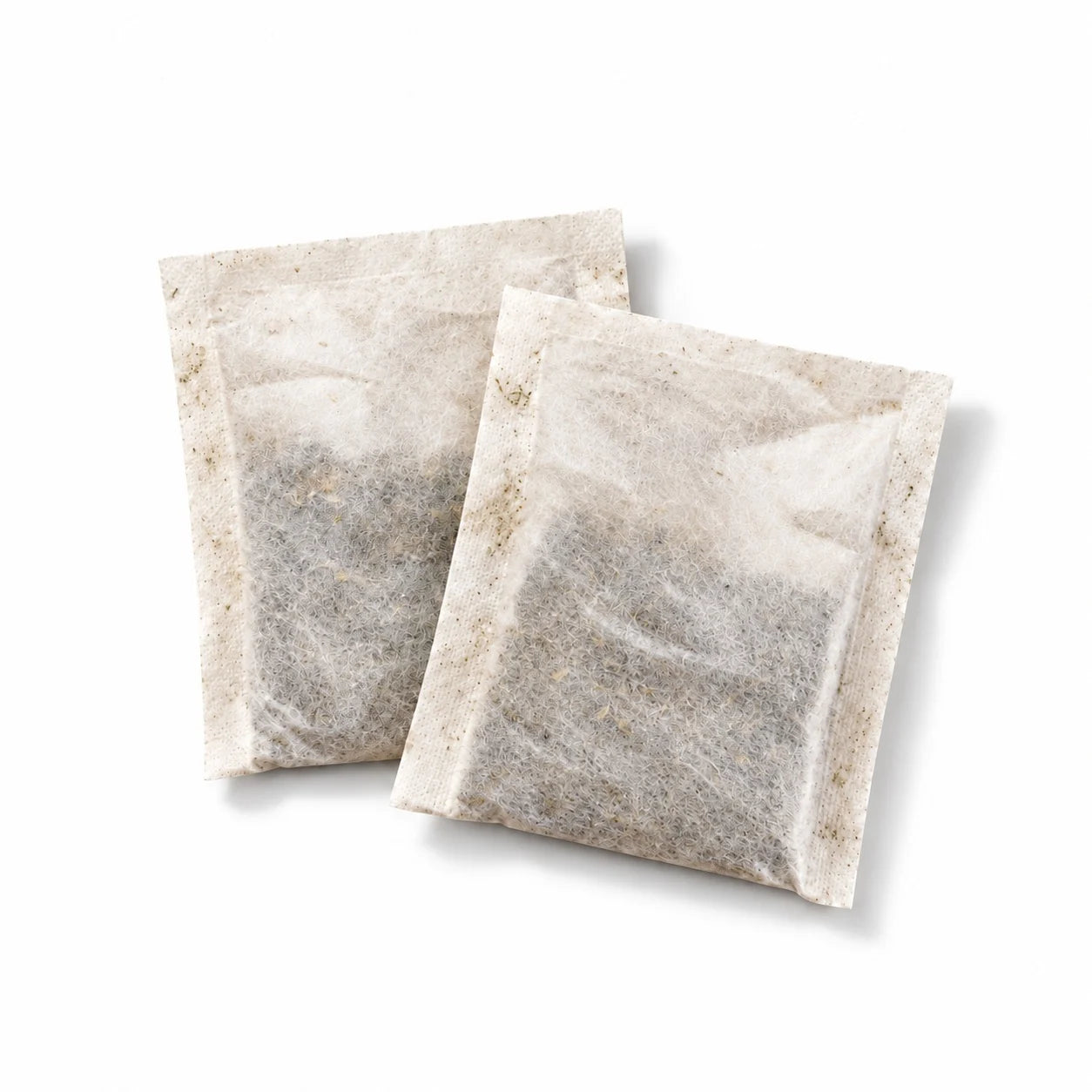
Whole-leaf brewing or a ready-portioned sachet: choose the format that fits your cup.
03 / From ingredient to evidence
How we check
quality.
Growing standards, food handling and laboratory testing each answer a different question. Here is what each check can tell you.
04 / Quality checks
Different checks.
Different answers.
Organic certification
USDA Organic, EU Organic and Thai organic certification document growing and handling standards. They help you check that an organic claim has documented support.
Hygiene systems
- GHP: hygiene practices
- HACCP: hazard controls
- ISO 22000: food-safety management systems
These systems help control handling and food-safety risks throughout the process.
Laboratory analysis
A lab report shows what was tested and what the lab found in that sample.
05 / Laboratory testing
Understand the sample.
Read the report.
From leaf to infusion
Independent laboratory analysis measures specified properties of the sample submitted. A report should identify the laboratory, sample and methods.
Dried leaves and tea brewed from them answer different testing questions. Read the sample description before comparing results.
Find testing information
Visit our Testing Library for testing information, report scope and available records.
One leaf ingredient, two formats
Whole Leaves and Tea Bags use the same soursop leaf ingredient.
06 / Understanding testing scope
The dried leaf.
The brewed tea.
Dried Whole Leaves
Leaf analysis describes the dry ingredient before brewing.
Examples of analytical checks
Pesticide screening
Checks for more than 800 pesticides and related compounds.
Additional leaf checks
- Separate glyphosate analysis
- Caffeine
- Moisture
- Selected mycotoxins (mold toxins)
Brewed whole-leaf tea
Infusion analysis describes the prepared tea under the brewing conditions recorded in the report.
Examples of analytical checks
Heavy metals
- Lead
- Total arsenic
- Cadmium
- Mercury
Microbiology
Checks for bacteria, yeast and mold.
- Aerobic plate countAn indicator of bacterial levels, not a test for specific pathogens.
- Total coliforms
- E. coli
- Salmonella
- Staphylococcus aureus
- Bacillus cereus
- Yeast and mold
From ingredient to infusion, two complementary views of the tea.
07 / Lot traceability
Find the lot number
on your pack.
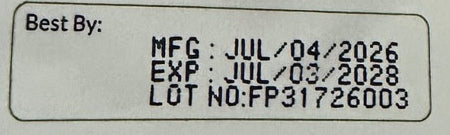
Your lot number identifies the batch. Codex food-hygiene guidance recognises lot identification as an important part of traceability.
Codex guidance / section 14.1- LOT NO
- Use the code printed on your pack to identify the batch.
- MFG / EXP
- The photographed pack shows manufacture on 4 July 2026 and expiry on 3 July 2028.
These are packaging identifiers, not laboratory results. Match any report to its own product, sample and lot details.
Have your product name and the lot number on your pack ready.
08 / Useful answers
A few things
worth knowing.
Does organic mean lab-tested?
No. Certification and laboratory analysis answer different questions.
What does not detected mean?
The test did not find the substance above its reporting limit. It does not mean absolute zero.
How do I match a report to my tea?
Check the product name, sample description, lot number where listed, test date, tests performed and reporting limits.
Where can I find the testing scope?
Visit our Testing Library. Read each report for its sample, preparation method and tests; a category described here is not a claim that every product or lot was tested for it.